Filter by

Penderitaan Yesus Kristus: The Passion Of Jesus Christ
Pertanyaan-pertanyaan terpenting yang bisa dirujukkan manusia adalah: Mengapa Yesus Kristus disalibkan? Mengapa Dia mengalami penderitaan yang begitu hebat? Apa kaitan semuanya ini dengan saya? Dan yang terakhir, siapa yang mengutusnya untuk mati di dunia ini? Jawaban untuk pertanyaan terakhir ini adalah Allah sendiri: Yesus adalah Anak Allah. Penderitaan yang dilaluinya tiada taranya, tetapi s…
- Edition
- 1
- ISBN/ISSN
- 9789793292281
- Collation
- Softcover; 126 hlm.; 14 x 21 cm
- Series Title
- Lima Puluh Alasan Mengapa Dia Datang untuk Mati
- Call Number
- F 232.96 P665 C1

Melihat dan Menikmati Yesus Kristus
Anda belum pernah berjumpa dengan-Nya secara pribadi, dan Anda juga tidak mengenal orang yang pernah. Tetapi ada jalan untuk mengenal siapa Dia. Bagaimana? Yesus Kristus - Pribadi ilahi yang dinyatakan di dalam Alkitab - memiliki keunggulan yang unik dan keindahan spiritual yang berbicara langsung kepada jiwa kita dan berkata, ""Ya, inilah kebenaran."" Ini seperti melihat matahari dan mengetahu…
- Edition
- -
- ISBN/ISSN
- 9786028165945
- Collation
- Softcover; 128 hlm.; 14 x 21 cm
- Series Title
- Kristologi
- Call Number
- F 232.8 P665 C1

Supremasi Kristus dalam Dunia Postmodern
Sepanjang dekade terakhir, kalangan Injili telah terbagi-bagi dalam hal bagaimana harus merespons tantangan-tantangan postmodernisme. Pilihan-pilihannya, yang meliputi penyangkalan naif sampai perangkulanyang tanpa keraguan, cenderung menderita kesalahan fatal yang sama: menempatkan penekanan pada kebudayaan ketimbang pada Kristus. Kumpulan esai ini mengoreksi kesalahan itu dengan cara menyedia…
- Edition
- 1
- ISBN/ISSN
- 9796028165303
- Collation
- Softcover; 213 hlm.; 14 x 21 cm
- Series Title
- Postmodernisme
- Call Number
- F 230 P665 C1

Penderitaan dan Kedaulatan Allah
Buku ini akan menantang Anda untuk percaya bahwa Allah benar-benar berdaulat, bukan hanya dalam tempat berlindung penelitian theologi yang aman, melainkan juga dalam kekacauan-balauan yang menyakitkan dari kehidupan nyata. Anda akan ditantang untuk hidup lebih konsisten oleh anugerah Allah dan untuk kemuliaan-Nya. -Mark D. Roberts, Pendeta Senior, Irvine Presbyterian Church Irvine, California.
- Edition
- 1
- ISBN/ISSN
- 9786028165297
- Collation
- Softcover; 286 hlm.; 14 x 21 cm
- Series Title
- Kehidupan Kristen
- Call Number
- F 231.8 P665 C1
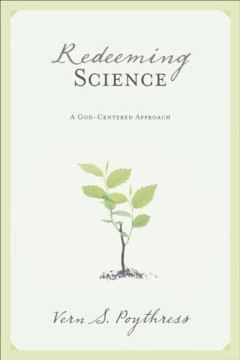
Redeeming Science: A God-Centered Approach
These and other points of contention cause some Christians to view science as a threat to their beliefs. Redeeming Science attempts to kindle our appreciation for science as it ought to be-science that could serve as a path for praising God and serving fellow human beings.
- Edition
- -
- ISBN/ISSN
- 9781581347319
- Collation
- Softcover, 381 hlm, 15.2 x 22.8 cm
- Series Title
- -
- Call Number
- F 261.55 P892 C1
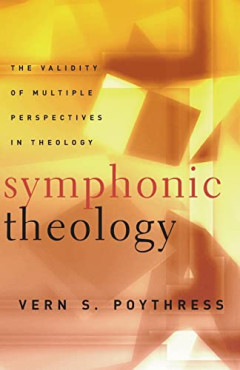
Symphonic Theology: The Validity of Multiple Perspectives in Theology
The truth of God is rich and multifaceted. Though a coherent body of revelation, the Bible comes to us through a variety of inspired authors, metaphors, and themes highlighting the many facets of God's truth. Likewise, our theological formulations capture manifold emphases--distinct perspectives on the whole--which collectively enable us to gain a fuller understanding of the truth. Poythress ex…
- Edition
- -
- ISBN/ISSN
- 9780875525174
- Collation
- Softcover; 128 hlm.; 14 x 21 cm
- Series Title
- -
- Call Number
- F 230.01 P892 C1
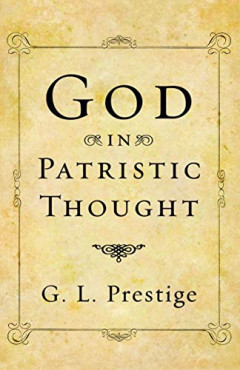
God in Patristic Thought
This book assembles the evidence for what the Greek Fathers, the men whose constructive thought underlies the creeds, really thought and taught about the nature of God. It shows that they were original thinkers, with a profound reverence for the text of the Scriptures, and minds keenly trained to discuss what ultimate truths were expressed in the scriptural text and what reality should be ascri…
- Edition
- -
- ISBN/ISSN
- 9781556357794
- Collation
- Softcover; 318 hlm.; 14 x 21.5 cm
- Series Title
- -
- Call Number
- F 231 P936 C1
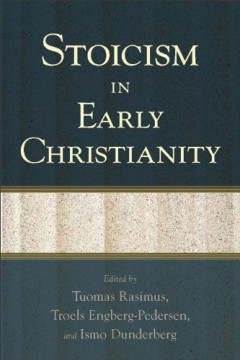
Stoicism in Early Christianity
How usefully do distinctly Stoic ideas illuminate the meaning of first and second century texts? This book suggests that early Christians—the authors of New Testament and noncanonical writings, including some early apologies—were often more influenced by Stoicism than by Middle Platonism. This insight sheds an entirely new light on the relationship between philosophy and religion at the bir…
- Edition
- -
- ISBN/ISSN
- 9780801039515
- Collation
- Softcover; 314 hlm.; 14.99 x 22.61 cm
- Series Title
- -
- Call Number
- F 261.2 R224 C1

Behold the Pierced One: An Approach to a Spiritual Christology
This little collection of Christological meditations and reflections has two points of origin. The first was the Congress on the Sacred Heart of Jesus that was held at Toulouse in the summer of 1981 in connection with the Eucharistic Congress held earlier at Lourdes. In the quiet of the Dominican cloister in Toulouse I was able to work on my talk for the Congress, which became an impetus for me…
- Edition
- -
- ISBN/ISSN
- 0898700876
- Collation
- Hardcover; 130 hlm.; 13.3 x 20.2 cm
- Series Title
- -
- Call Number
- F 232 R238 C1
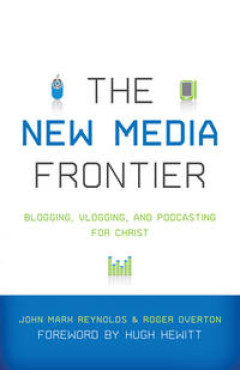
The New Media Frontier: Blogging, Vlogging, and Podcasting for Christ
A Pew Study reports that only 2% of America's twelve million bloggers claim religion, spirituality or faith" as their main topic. This leaves a great mission field in cyberspace, say contributors to The New Media Frontier , because the latest forms of communication present so many opportunities to promote the cause of Christ in other topics and fields. Before blindly jumping in, however, Christ…
- Edition
- -
- ISBN/ISSN
- 9781433502118
- Collation
- Softcover; 254 hlm.; 14 x 21 cm
- Series Title
- -
- Call Number
- F 261.52 R463 C1
 Computer Science, Information & General Works
  Philosophy & Psychology
  Religion
  Social Sciences
  Language
  Pure Science
  Applied Sciences
  Art & Recreation
  Literature
  History & Geography